
Summer School Projects Go Better When Classroom Technology Is Ready Before Day One
Summer is when a lot of school improvement work quietly happens.
Across Saskatchewan, maintenance teams, school leaders, and division staff use these weeks to move rooms, install portable classrooms, refresh shared spaces, and get buildings ready before students and staff return. This year, that work matters even more. The province is adding relocatable classrooms for the 2026-27 school year, school renewal work is moving ahead, and educators are continuing to look closely at how technology supports better learning.
That makes summer one of the best times to ask a simple question: when people walk into the space in September, will the technology help them right away?
For schools, that question is not really about having the newest gear. It is about whether teachers can start class without wasting time. It is about whether students can hear clearly. It is about whether a portable classroom feels just as ready as any other room in the building. And it is about whether shared spaces like libraries, learning commons, staff rooms, and multi-use areas are easy to use when the school gets busy again.
The most helpful summer updates are usually the ones that remove everyday friction.
That might mean classroom audio that helps every student hear instruction more clearly. It might mean a display that turns on quickly and connects without guesswork. It might mean paging, clocks, and communication tools that stay consistent across the building. Or it might mean making sure staff do not need a different routine in every room they use.
This is especially important when schools are adding or repurposing spaces. A portable classroom still needs strong sound, clear instruction, and dependable communication with the main building. A room that used to serve one purpose may now need to support group instruction, hybrid meetings, student support, or presentations. If the technology does not match the way the room is actually used, staff feel that problem immediately.
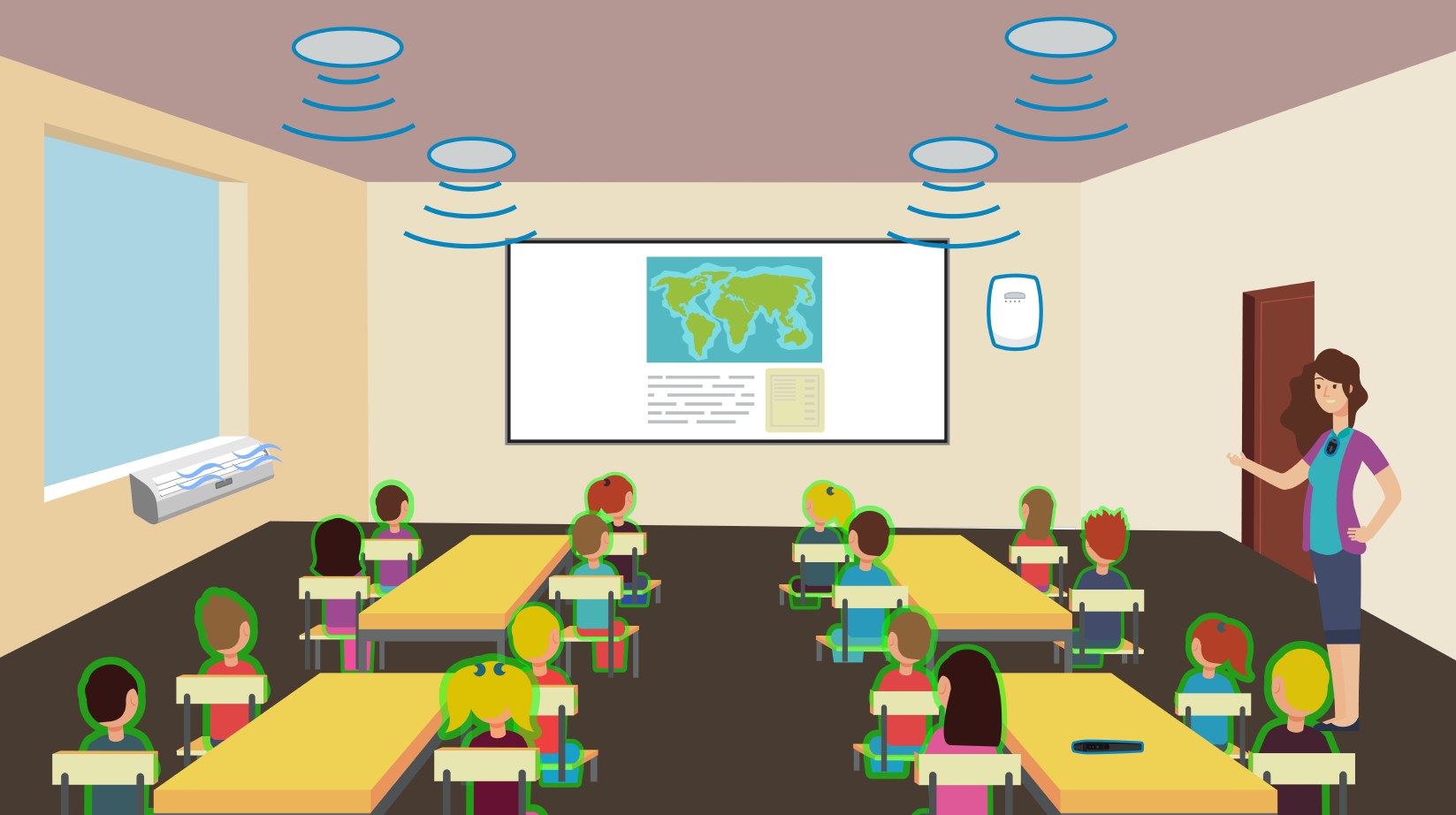
A good summer project plan usually starts with a few practical checks:
Can students hear clearly from every part of the room?
Can teachers start class or share content without extra steps?
Will the space work well for substitute staff or occasional users too?
Are portable and overflow spaces connected clearly to the rest of the school?
Do accessibility needs, sightlines, and simple controls show up in the plan from the start?
Those are not flashy questions, but they lead to the kind of upgrades people notice in the best way. The room feels calmer. Instruction starts faster. Fewer students miss key information. Staff spend less energy working around the system and more energy teaching.
Summer is also the best time to think about consistency. When teachers move between rooms or schools, simple, familiar controls reduce stress and training time. When support staff walk into a space, they should be able to understand it quickly. And when a school adds a new room, that space should feel like part of the school rather than a separate workaround.
Accessibility belongs in that conversation too. Clear sound, readable displays, dependable microphones, and practical control layouts do not only help one group of users. They make the room better for everyone. That matters in busy classrooms, support spaces, and shared learning environments where many different people rely on the same tools throughout the day.
Good project delivery matters just as much as the equipment list. Schools need planning that fits real teaching routines, clear communication during install, and support after the room goes live. When those pieces are in place, the technology feels less like another thing to manage and more like part of a smoother school day.
If your team is using the summer to refresh classrooms, add portable spaces, or update learning areas, this is a good time to focus on the details that will matter most in September. The right updates are the ones that help people walk in, get started, and stay focused on learning.
Hillman AV helps Saskatchewan schools create learning spaces that are simple to use, dependable under pressure, and ready for real day-to-day teaching.